Harold Moody the civil rights leader
Harold Moody was born in Kingston, Jamaica, in 1882. He arrived in London in 1904 to study medicine at King’s College London and graduated top of his class. However, he faced racism and was denied a hospital job because of the colour of his skin. As well as facing racism whilst looking for work landlords also refused to rent rooms to him.
Despite such opposition in 1913 Dr Moody managed to open his own GP medical practice in Peckham, South London. He served working-class families and those overlooked by the system. By this time he'd married Olive Tranter, a white British nurse. Her friends and family didn't approve, stating that “by becoming the wife of a Black man, she was betraying her race.”
Dr Moody had lived experience of racism and discrimination, he became an advocate for others. For example, he campaigned to overturn the 1925 Coloured Seamen Special Restriction Order. The Order discriminated against Black and Asian seamen, causing many to lose their jobs - plunging them into poverty. Even though many of the men had fought for Britain in the First World War and were British subjects.
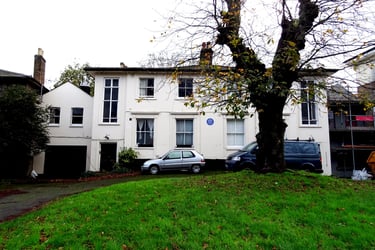
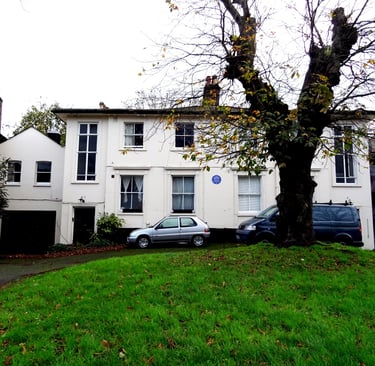
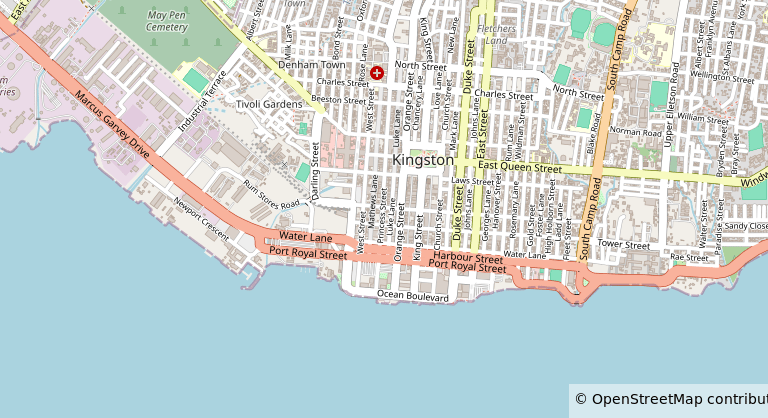
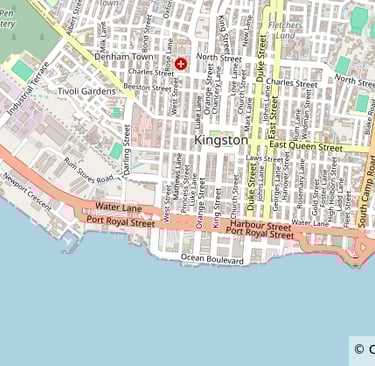
The journey that changed Harold Moody's life
Rum Lane
Kingston Jamaica
Queens Road Peckham south London


From Rum Lane, Kingston, Jamaica in the Caribbean to Queens road, Peckham, south London, UK
Dr Harold Moody founded The League of Coloured Peoples in March 1931. The first meeting took place at the YMCA on Tottenham Court Road in London. The League was Britain’s first civil rights organisation. Founding members at that first meeting included writer C.L.R. James, Sierra Leonean lawyer Stella Thomas, fellow London based GP, Dr Cecil Belfield Clarke, soldier and activist George Roberts and a young Jomo Kenyatta, who would later lead Kenya’s independence movement. The League aimed -
• To promote and protect the Social, Educational, Economic and Political Interests of its members;
• To interest members in the Welfare of Coloured Peoples in all parts of the World;
• To improve relations between the Races;
• To cooperate and affiliate with organizations sympathetic to coloured people
• To render such financial assistance to coloured people in distress as lies within our capacity
Dr Moody also made a powerful case for full citizenship rights for people from Britain’s colonies. He did however, face criticism as some felt his approach was too passive.
The League’s official journal, The Keys, edited by Una Marson published everything from essays and political analysis to poetry and achievements from across the Black diaspora.
During the Second World War, Dr Moody's advocacy continued. His son, Charles Arundel was denied the opportunity to train as an Officer for the British army because of the Colour Bar. Only men of 'pure European descent' were eligible. Dr Moody was furious - he lobbied the war office and his campaigning helped overturn the policy - so did the need for military personnel due to the number of casualties.
The League of Coloured Peoples also ensured that Black and Brown children were safely evacuated from bomb-targeted cities and placed in safe homes.
Dr Moody passed away in 1947 at the age of 64, shortly after returning from a fundraising tour in North America.
‘The men of my race stood by you in the crisis of the war. I ask you to stand by us in peace. You must now also recognise that we are a great people’
Dr Harold Moody November 1929